Build a Space That Feels Like Yours
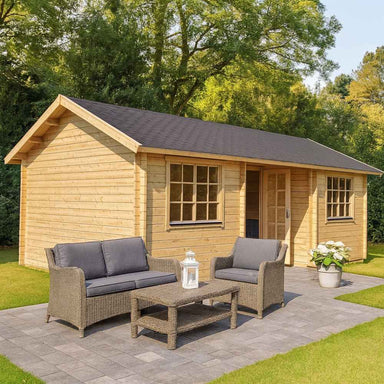
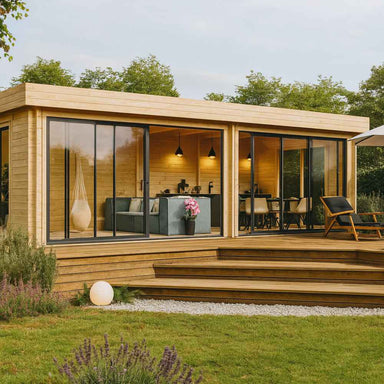
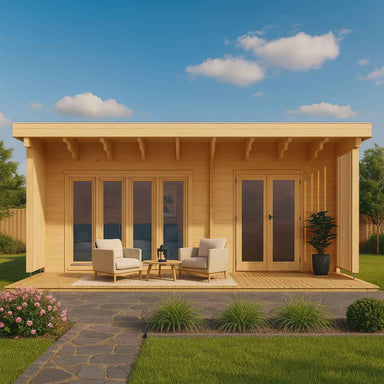
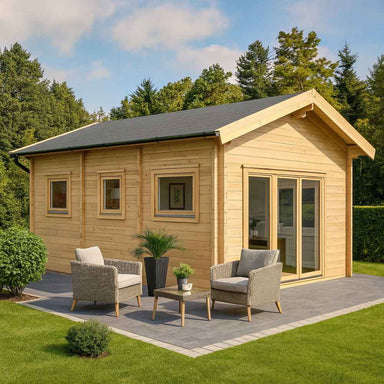
A wooden man cave isn’t about perfection — it’s about atmosphere. Timber adds history, texture and warmth, whether you’re finishing one wall or fitting out an entire room.
Explore this collection to find products and ideas that help you build a space that feels intentional, comfortable and unmistakably yours.
Wooden Man Cave FAQs
1. How do I prevent rot and decay in a wooden man cave?
-
A: Maintenance is critical for timber. You should apply a high-quality wood preservative or UV-resistant stain immediately after construction and re-apply it every 2–3 years. Ensure the structure is built on a raised base to prevent the bottom logs or boards from sitting in standing water, and keep vegetation trimmed back to allow airflow around the exterior.
2. What is the best type of wood for long-term durability?
-
A: Cedar is the gold standard because it is naturally resistant to rot and insects, though it is more expensive. Pressure-treated Nordic Spruce or Pine are popular, high-quality alternatives. Look for "slow-grown" timber, as it is denser and less likely to warp or crack over time compared to fast-grown varieties.
3. Do wooden man caves get damp or moldy inside?
-
A: They can if they aren't properly ventilated. Because wood "breathes," moisture can get trapped if there is no airflow. To prevent a musty smell or mold, install trickle vents in the windows, a small extractor fan, or a breathable membrane behind your internal wall cladding to allow moisture to escape without letting drafts in.
4. Can I safely install a log burner in a wooden structure?
-
A: Yes, but safety is paramount. You must install a fire-resistant hearth and use a twin-wall flue system to pass through the roof or wall safely. You should also maintain a specific clearance distance (usually 500mm+) between the stove and the wooden walls, or install fire-rated heat shields to protect the timber from scorching.
5. Is a "log cabin" style better than a "stud frame" wooden shed?
-
A: It depends on your goals:
-
Log Cabins: Use interlocking timbers. They are excellent for a rustic look and provide natural thermal mass, but they "settle" over the first year, meaning you have to be careful when fixing furniture to the walls.
-
Stud Frames: Use a skeleton of timber with cladding on the outside. These are easier to insulate to a high standard (like a modern house) and won't move or settle as much as solid logs.
-